Walking the Long Way Home: Fatherhood, Faith, and Following Jesus One Step at a Time
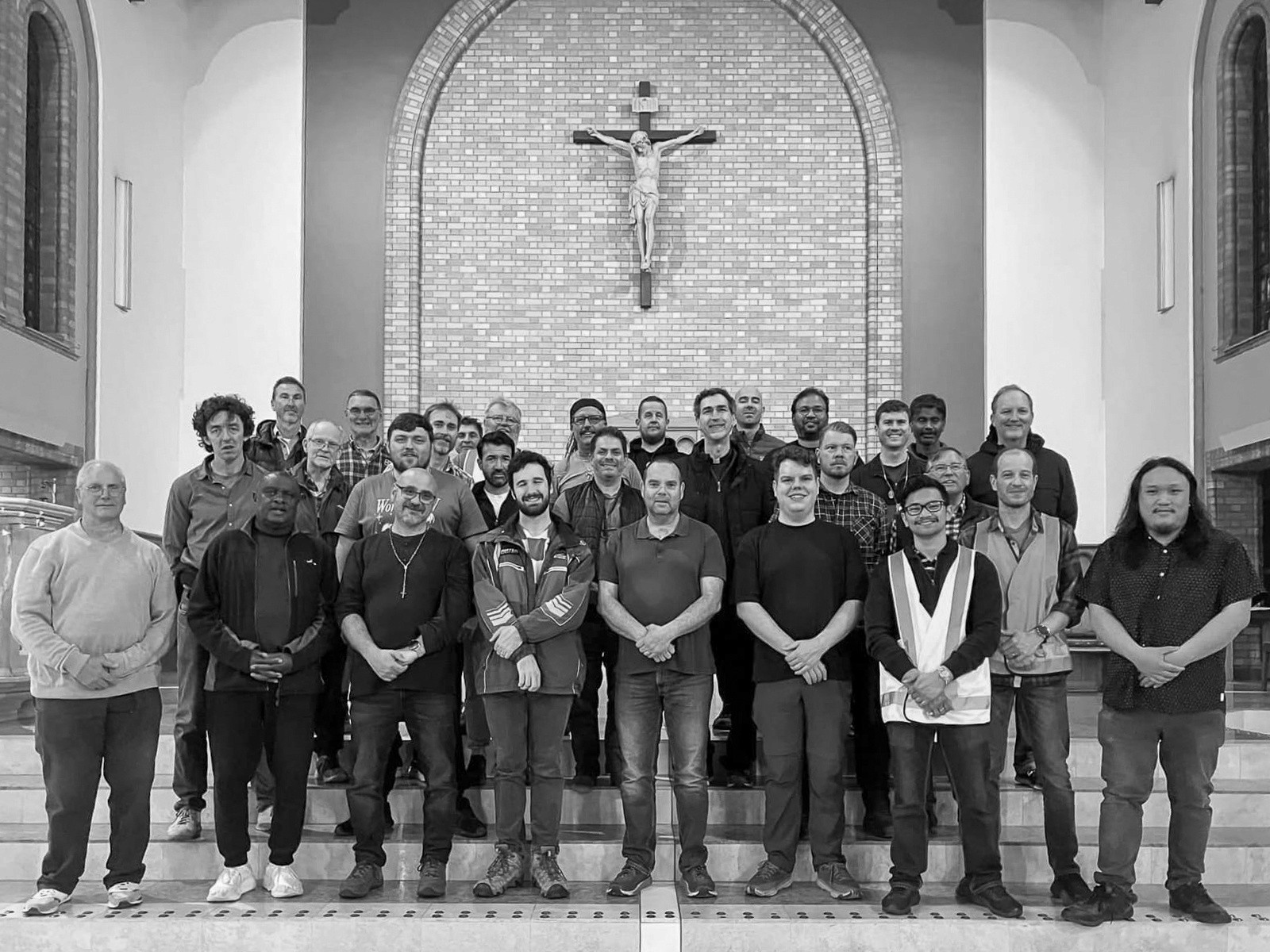
Just before dawn, somewhere between one church and the next, my feet were desperately sore, all of the muscles in my legs were aching and my mind had finally gone quiet. We had been walking for several hours—north to south across Canberra—about thirty men moving through the dark, torches and headlamps glowing, shoes scraping on footpaths. This was the Camino of St Joseph in Australia’s capital, an overnight pilgrimage linking eight Catholic churches across the city. Twenty-six kilometres. No shortcuts. No spectators. Just step after step, prayer after prayer, reciting the rosary, lots of conversations with fellow pilgrims, and the slow work of putting one foot in front of the other.
It struck me then that this is what following Jesus as a father feels like. Not dramatic. Not glamorous. Mostly unseen. A long obedience in the same direction.
“Your word is a lamp for my feet, a light on my path.”
from Psalm 119:105 (New International Version)
I was baptised as a baby in a Christian church. Like many men of my generation, faith was present early, faded quietly in my youth, and then drifted into the background as education, work, ambition, and independence took centre stage. Organised religion felt distant at that time. God felt abstract and sometimes irrelevant. I didn’t reject faith so much as slowly walk away from it—without realising I was walking.
Years later, marriage influenced the direction of my faith journey. And then fatherhood changed it completely…
Becoming a father to both a son and a daughter wasn’t only a biological milestone; it was a spiritual one. Holding each of them for the first time confronted me with something undeniable: responsibility that couldn’t be outsourced, delayed, or delegated. It’s a giant step into the unknown. Love with weight. Love with consequence. Love that demands presence, patience, sacrifice, and endurance.
Fatherhood has a way of reintroducing God without argument, without reasoning; but through faith. When you are entrusted with forming another human being—let alone two—you begin to ask different questions. What does it mean to lead well? What does it mean to serve? What kind of man do I want my son to become? What kind of man do I want my daughter to trust?
These aren’t so much theological questions as practical considerations. They are lived questions, answered slowly at home, during car rides, through discipline, forgiveness, prayers, and showing up when it would be easier not to.
For me, that slow return toward faith accelerated when I found myself increasingly drawn back to the Christian story—not as ideology, but as a model of life. In particular, the figure of Jesus as a servant-leader began to resonate in a much deeper way. Strength, yes—but strength under control. Authority, yes—but authority exercised for the good of others. Courage, sacrifice, humility, love.
The words I later wrote in my first book The Relentless War on Masculinity—that masculinity, rightly understood, is a force for good—were not theoretical. They were now lived conclusions. Masculinity at its best isn’t domination or detachment; it is responsibility. It’s moral integrity. It’s showing up, again and again, for those entrusted to you. That vision aligns seamlessly with the Christian understanding of fatherhood and with the life of Christ himself.
In 2024, I attended a Men’s Leadership Summit. Located atop a ridge next to the ocean, amid a beautifully scenic landscape. I expected good conversations and solid teaching. I didn’t expect to be moved to tears within half an hour of arriving.
At one point, almost one hundred Christian men were singing together—rough and raw voices, unpolished, unguarded, rising in unison. Something broke open in me. There was acceptance and honesty in that room; there was joy and gratitude and relief. Relief at not carrying the weight alone. Relief at being among men who were striving—not for status, but for faithfulness. Men serious about their responsibilities as husbands, fathers, and community leaders. Men willing to be humble before God and accountable to one another.
Every man was asked to write a letter to his biological father, regardless of being deceased or estranged. It was a confronting, challenging, and cathartic experience. Starting the exercise was tough, but being able to express thoughts and feelings on the page was liberating and certainly worthwhile. If you never write to your old man or don’t speak regularly, then give it a go…
This retreat reminded me that faith isn’t meant to be walked alone. Pilgrimage, by definition, is communal.
Which brings me back to that night in November 2025, walking the Camino of St Joseph—just before International Men’s Day. St Joseph is not known for his words. Scripture records none of them. Yet his life speaks volumes. Pope Francis describes him as a beloved father, a tender father, an obedient father, an accepting father, a creatively courageous father, a working father, and a father in the shadows—protective, faithful, present, and willing to stand behind rather than in front.
As we walked through Canberra—St Joseph’s in O’Connor, St Brigid’s, St Patrick’s, St Christopher’s Cathedral, and onward through the night—I reflected on how much modern fatherhood needs this model. Not performative masculinity. Not absentee masculinity. But grounded, faithful, embodied masculinity. Men who stay. Men who carry weight. Men who understand that their quiet faithfulness shapes generations.
The Camino was physically demanding and arduous, so I was blessed to be accompanied by two dear friends. But the deeper challenge was interior, with stretches of silence that invited honesty. You can’t outrun your own thoughts when exhausted at four in the morning. You confront your physical and emotional limitations. You remember failures, achievements, mistakes, missed opportunities, friendships, and aspirations. You also glimpse grace—not as something abstract, but as something sustaining you step by step.
That is what my faith journey has looked like. Not a dramatic conversion moment, but a series of returns. A slow turning back. A pilgrimage that began in infancy, wandered aimlessly for years, and is now—imperfectly but intentionally—aimed again toward Christ.
Following Jesus as a father has taught me that the work is never finished. Children grow. Circumstances change. Faith deepens, then is tested, then deepens again. The call is not to arrive or to model perfection, but to remain faithful along the way.
KINSMEN speaks often of brotherhood redeemed—men anchored in Christ, expressing devotion through everyday faithfulness, honoring work, and redemptive fatherhood. That language resonates because it names what so many men are quietly longing for: meaning without posturing, conviction without cruelty, strength without isolation.
As dawn approached on the Camino, the city slowly woke around us. The gorgeous colours of sunrise lifted our spirits. Birds began to sing. We finished tired, sore, and deeply grateful. Pilgrimages end, but they also continue. You return home, but you walk differently.
I’m still walking. Still learning how to follow Jesus as a husband and a father. Still trying to love well, lead humbly, and serve faithfully. The path isn’t always clear. But our direction matters.
And sometimes, the best way to remember that is to walk through the night with other men—step by step—trusting that the path, however long, is leading us home.
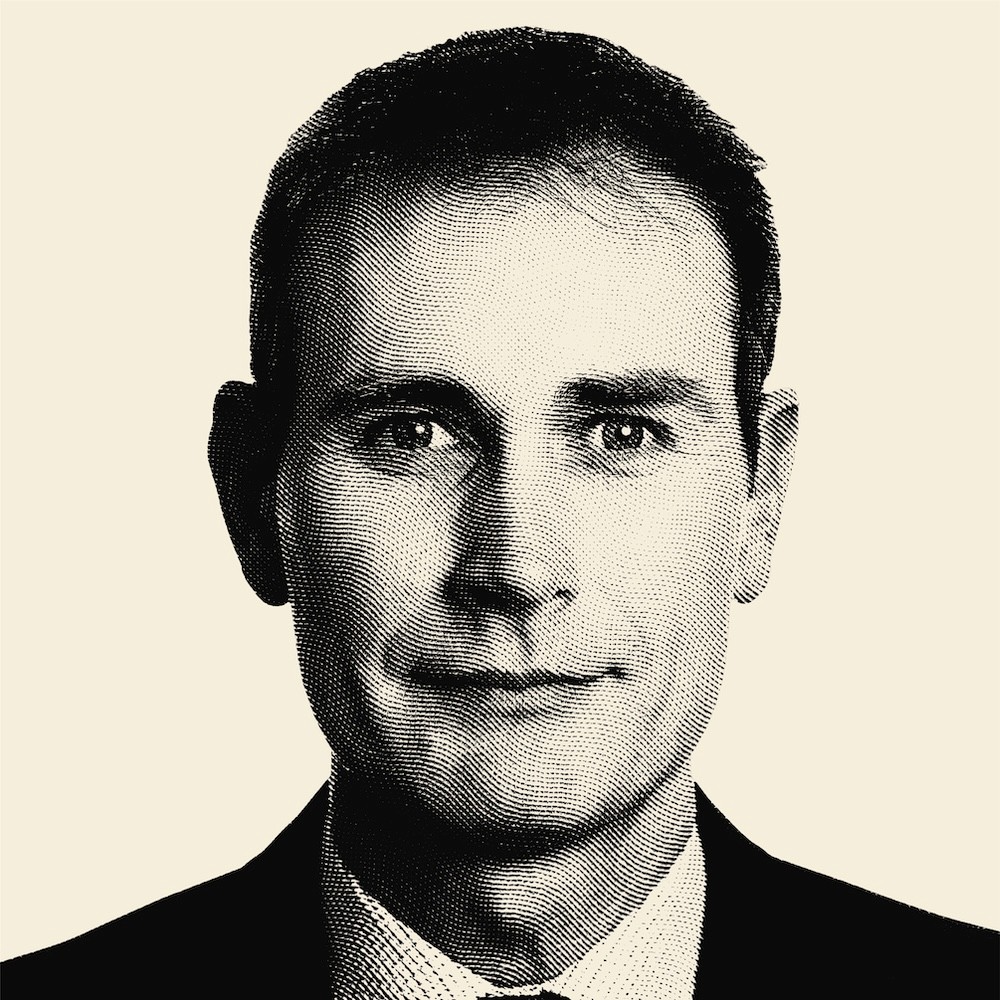
David Maywald
Canberra, Australia